
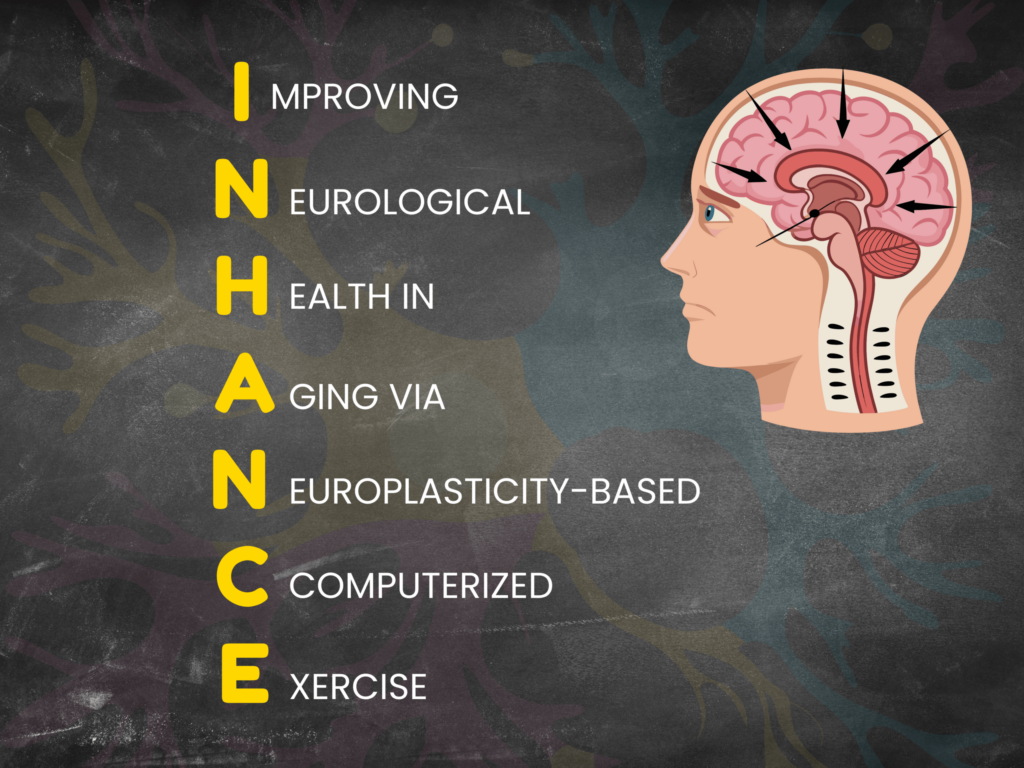

A groundbreaking new study is changing the way we think about brain health and classroom performance. The INHANCE randomised clinical trial, recently published in JMIR Serious Games, has provided the first-ever human evidence that specific types of computerized cognitive training can physically reverse chemical declines in the brain.
For educators and parents of children with ADHD, these findings are not just scientific milestones – they are a roadmap to potentially transforming academic outcomes.
The Findings: A “Decade” of Recovery in 10 Weeks
The cholinergic system is the brain’s powerhouse for attention, memory, and executive function. Ordinarily, our levels of acetylcholine—the neurotransmitter responsible for “gating” our focus—decline by approximately 2.5% every decade.
The INHANCE study tasked participants with 10 weeks of “speeded” training (using BrainHQ exercises like Double Decision and Freeze Frame). The results were stunning: participants saw a 2.3% increase in acetylcholine transporter levels in the anterior cingulate cortex. Essentially, a few weeks of targeted training offset an entire decade of natural decline.
Profound Implications for ADHD
While the INHANCE study focused on older adults, the biological mechanisms are identical—and often more potent—in the malleable brains of children and young people. Students with ADHD often struggle with “action inhibition”—the ability to stop and think before reacting—and sustained attention.
The INHANCE study specifically found that speed training targets the brain subregions (like the p24c subregion) responsible for action inhibition. By increasing the brain’s “presynaptic capacity” to package and release acetylcholine, we are essentially upgrading the student’s internal hardware for focus.
From “Survival Mode” to “Success Mode”
If we can leverage these results to increase a student’s acetylcholine levels by that critical 2.5% margin, the impact on their school day could be transformative:
- Longer Concentration Spans: With a replenished “fuel tank” of acetylcholine, students can pay attention and stay on task for longer periods, particularly in the demanding afternoon hours.
- Reduced Impulsivity: Better “action inhibition” means fewer classroom disruptions and improved self-regulation.
- Accelerated Academic Progress: As students move from a high-stress “survival mode” into a calm “success mode,” they can process information faster and retain more of what they learn.
The sources suggest that neurocognitive training doesn’t just provide a “sticking plaster” for ADHD; it repairs and develops the underlying brain health required for students to thrive. By integrating just 15 minutes of this science-backed training into the school day, we can give students the cognitive skills they need to succeed in education and life beyond the classroom.